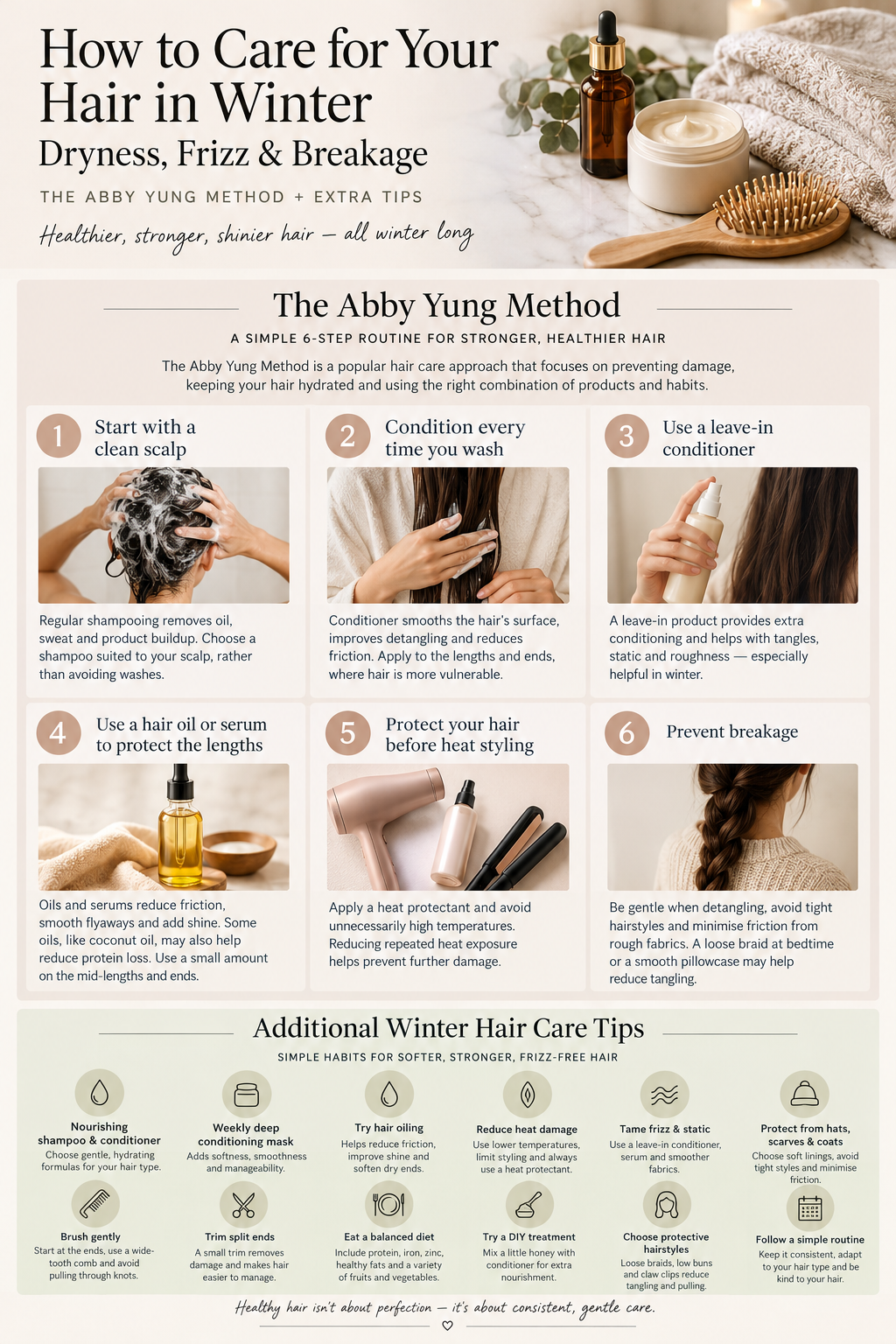
How to Care for Your Hair in Winter: Dryness, Frizz and Breakage
My whole hair care system changes in the winter and so should yours! In this blog post i am going to show you how you can care for your hair a bit better this winter 🧡
Winter has a way of changing our beauty routines. The air becomes colder, the heating comes on, and suddenly our hair seems to have a mind of its own. Strands that felt soft and manageable in summer can become dry, static-prone and difficult to style. Split ends seem more noticeable, frizz appears out of nowhere, and brushing our hair can feel like a battle against tangles.
If this sounds familiar, you are certainly not alone. Winter can be particularly challenging for our hair, but a few thoughtful changes to your routine can make a noticeable difference.
For me, winter hair care is about returning to the basics: nourishing treatments, gentle brushing, less heat styling and choosing products that help protect the hair we already have. You do not need an elaborate collection of expensive products to care for your hair beautifully. Sometimes, the simplest habits make the biggest difference.
Whether your hair is naturally curly, fine, thick, straight or somewhere in between, here is how to care for your hair throughout the colder months and keep it feeling softer, smoother and healthier. I will also link my favorite products.
Why does your hair become so dry in the winter?
Winter brings a combination of environmental changes that can leave our hair feeling less than its best.
Cold outdoor air generally holds less moisture than warm air, while indoor heating can make the air inside our homes considerably drier. This change in humidity can affect the way our hair behaves, contributing to static, fly aways and a rougher-feeling texture.
There are a few other reasons your hair might struggle during winter:
Dry indoor air: Central heating can contribute to moisture loss from the hair's surface.
Hot showers: Very hot water may strip away some of the hair's protective oils and leave the scalp feeling dry.
Friction from winter clothing: Scarves, wool coats, high collars and hats can rub against the hair, creating tangles and contributing to breakage.
Heat styling: Frequent use of straighteners, curling irons and hot blow-dryers can worsen existing dryness and damage.
Rough handling: Brushing tangled hair too aggressively, particularly when it is wet, can cause unnecessary breakage.
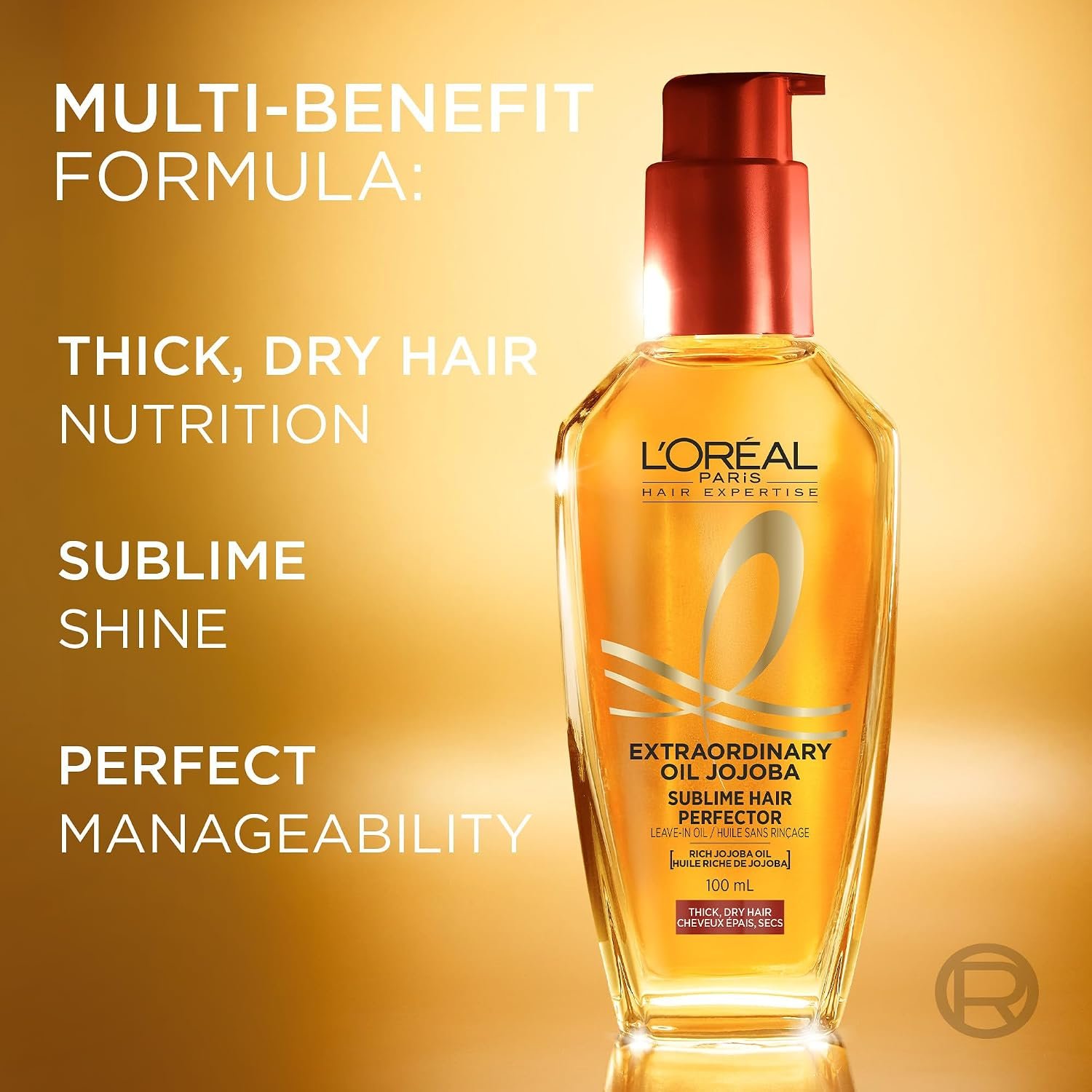
Switch to a More Nourishing Shampoo and Conditioner
One of the first things I would change when the weather turns cold is my approach to washing my hair.
If your hair feels dry, rough or difficult to detangle, consider switching to a gentle shampoo that cleanses without leaving your strands feeling stripped. Follow with a conditioner formulated for your hair type, paying particular attention to the mid-lengths and ends.
Your scalp still needs to be cleansed during winter. Allowing excessive oil, sweat and product buildup to accumulate will not necessarily make your hair healthier. Instead, find a washing schedule that suits your scalp and lifestyle.
My winter hair-washing tips:
Use lukewarm rather than very hot water.
Massage shampoo into your scalp using your fingertips instead of scratching with your nails.
Concentrate shampoo on the scalp and allow the lather to rinse through the lengths.
Apply conditioner mainly to the mid-lengths and ends.
Detangle gently while the conditioner is in your hair, using your fingers or a suitable wide-tooth comb.
Rinse thoroughly and avoid rough towel-drying.
If your scalp becomes itchy, flaky or irritated, consider whether your products or washing routine may be contributing to the problem. Persistent irritation deserves advice from a healthcare professional or dermatologist.
Make a Weekly Deep-Conditioning Treatment Part of Your Routine
I do this twice a week in the winter and once a week in the summer.
A good conditioning mask can help improve softness, smoothness and manageability, making dry hair easier to comb and style. Some formulas also help reduce friction between strands, which is particularly useful when your hair is constantly rubbing against scarves and winter coats.
You do not necessarily need to use a mask every time you wash your hair. Start with once a week and adjust according to how your hair responds.
Look for a product suited to your hair type. Ingredients such as glycerin, fatty alcohols, conditioning agents and certain oils or silicones can help improve softness and reduce friction. If your hair is particularly damaged, a product containing ingredients designed to strengthen or repair damaged hair fibers may also be useful.
How to use a hair mask
Shampoo your hair as usual.
Gently squeeze out excess water.
Apply the mask according to the product instructions, concentrating on the lengths and ends.
Leave it on for the recommended amount of time.
Rinse thoroughly if the product requires rinsing.
Fine hair can easily become weighed down by rich masks, so use a lighter formula or a smaller amount if necessary.
Remember that conditioning treatments improve the feel and manageability of damaged hair, but they cannot permanently restore a split end. Regular, gentle care is what helps prevent further damage.
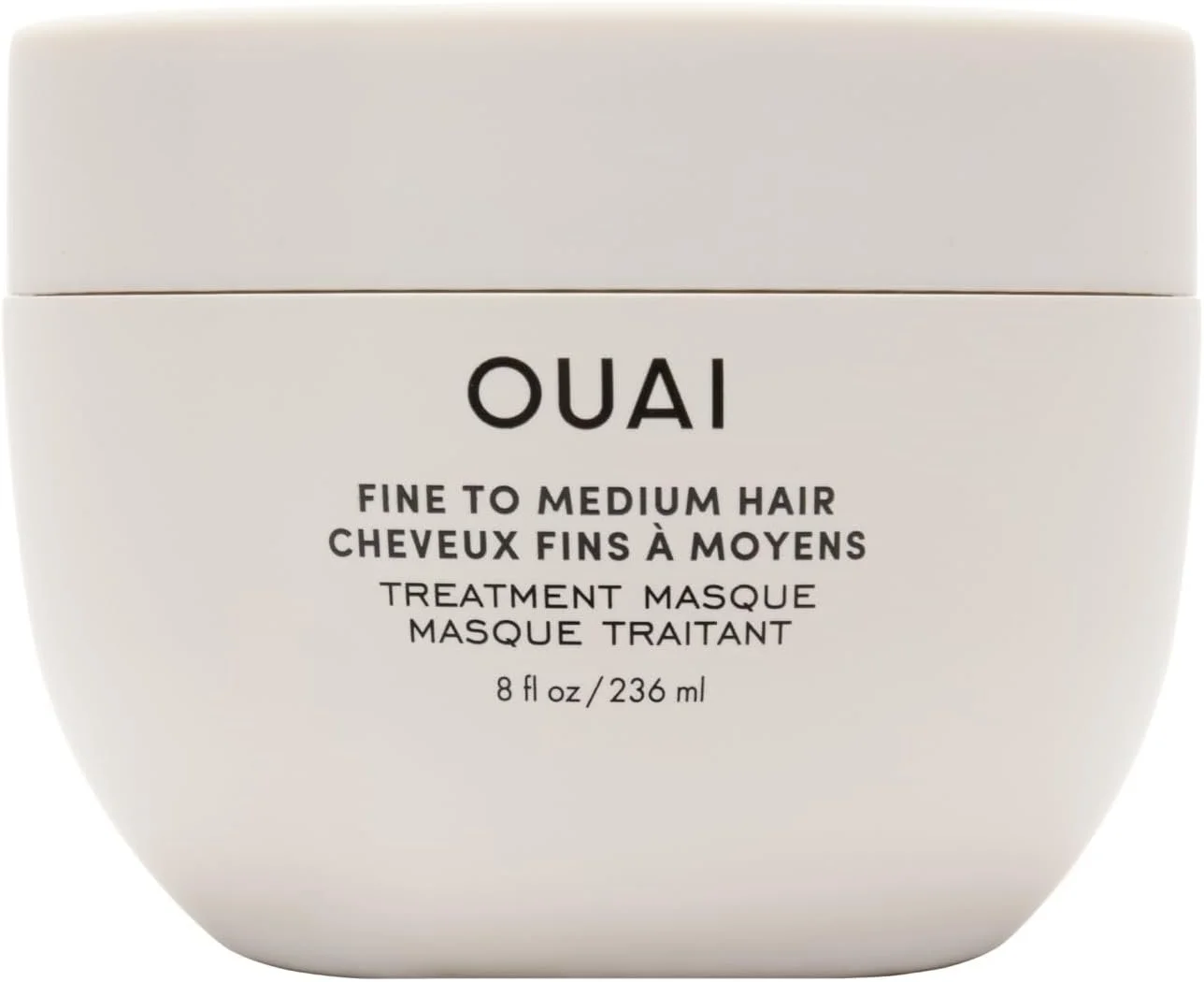
Try a Little Hair Oiling Before Wash Day
Hair oiling has long been part of traditional beauty routines, and winter can be a lovely time to incorporate this ritual into your self-care.
Certain oils can help reduce friction, improve shine and soften dry-feeling lengths. Coconut oil, in particular, has evidence supporting its ability to reduce protein loss from hair when used as a pre-wash treatment. Other oils may help with lubrication and smoothness, although their effects vary.
You do not need to soak your hair in oil to benefit from the ritual.
My simple pre-wash oiling routine
Choose a small amount of an oil that suits your hair.
Smooth it over the mid-lengths and ends, concentrating on areas that feel particularly dry.
Leave it on for approximately 20–60 minutes, or follow the product's instructions.
Shampoo thoroughly and condition as usual.
Coconut oil may suit thicker, coarser or curlier hair, while lighter oils may be more comfortable for fine hair.
If you have a sensitive or acne-prone scalp, it may be best to keep oils away from your roots and hairline. Oils can aggravate certain scalp conditions in some people, so stop if you notice itching or irritation.
A little goes a long way. Your hair should feel softer after washing, not greasy or coated.
On the days i oil my hair, i always use a clarifying shampoo to help remove the oil properly from my scalp. This one is my favorite.
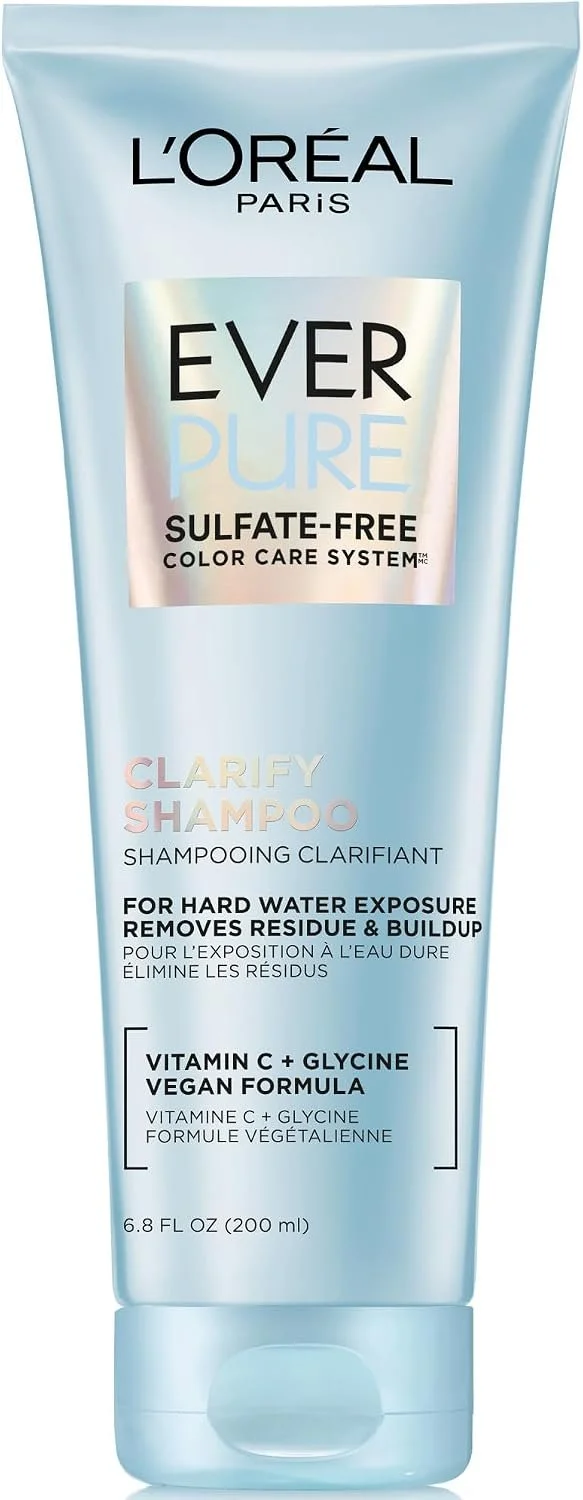
Protect Your Hair from Heat Damage
When it is freezing outside, spending time blow-drying our hair can feel unavoidable. Unfortunately, frequent high-heat styling can contribute to dryness, roughness and breakage.
You do not have to abandon your favourite hairstyles for the entire winter. Instead, make a few adjustments to reduce unnecessary heat exposure.
Try these simple changes:
Allow your hair to air-dry partially before using a blow-dryer.
Use a heat protectant formulated for your styling method.
Choose a lower or moderate temperature where practical.
Keep the dryer moving rather than concentrating heat on one section.
Limit repeated passes with straighteners and curling irons.
Give your hair occasional breaks from heat styling.
If you prefer to blow-dry your hair, use a nozzle attachment and direct the airflow down the hair shaft to help smooth the cuticle. Finish with a cool setting if your dryer has one.
Heat protectants can reduce damage when used correctly, but they do not make excessive heat harmless. The aim is to use less heat, at a lower temperature, for less time.
Reduce Frizz and Static on Cold, Dry Days
Static electricity is common during winter because dry air allows electrical charges to accumulate more easily. Friction from clothing, hats and brushes can make the problem worse.
The solution is to reduce friction and introduce a little extra conditioning.
How to tame winter frizz
Use a leave-in conditioner. A lightweight leave-in product can improve softness, help detangle your hair and reduce friction throughout the day.
Smooth a tiny amount of serum over the ends. Silicone-based serums can be particularly helpful for reducing friction and improving the appearance of flyaways. Start with a small amount so your hair does not become greasy.
Choose your brush carefully. Some brushes create more static than others. Experiment with a brush that glides comfortably through your hair without snagging.
Avoid over-brushing. Repeated brushing can create more friction, particularly on fine or dry hair.
Be mindful of fabrics. Wool scarves and high collars can rub against your hair. A smooth lining or a silk or satin scarf can help reduce friction.
Consider indoor humidity. If the air in your home is very dry, a humidifier may make your environment more comfortable and help reduce static. Follow the manufacturer's cleaning instructions to prevent microbial growth.
Tip: After washing your hair, use a microfiber turban to twist your hair up instead of vigorously drying your hair with your regular bath towel. Microfiber is kinder to your hair and will allow it to absorb the water so it dries faster.
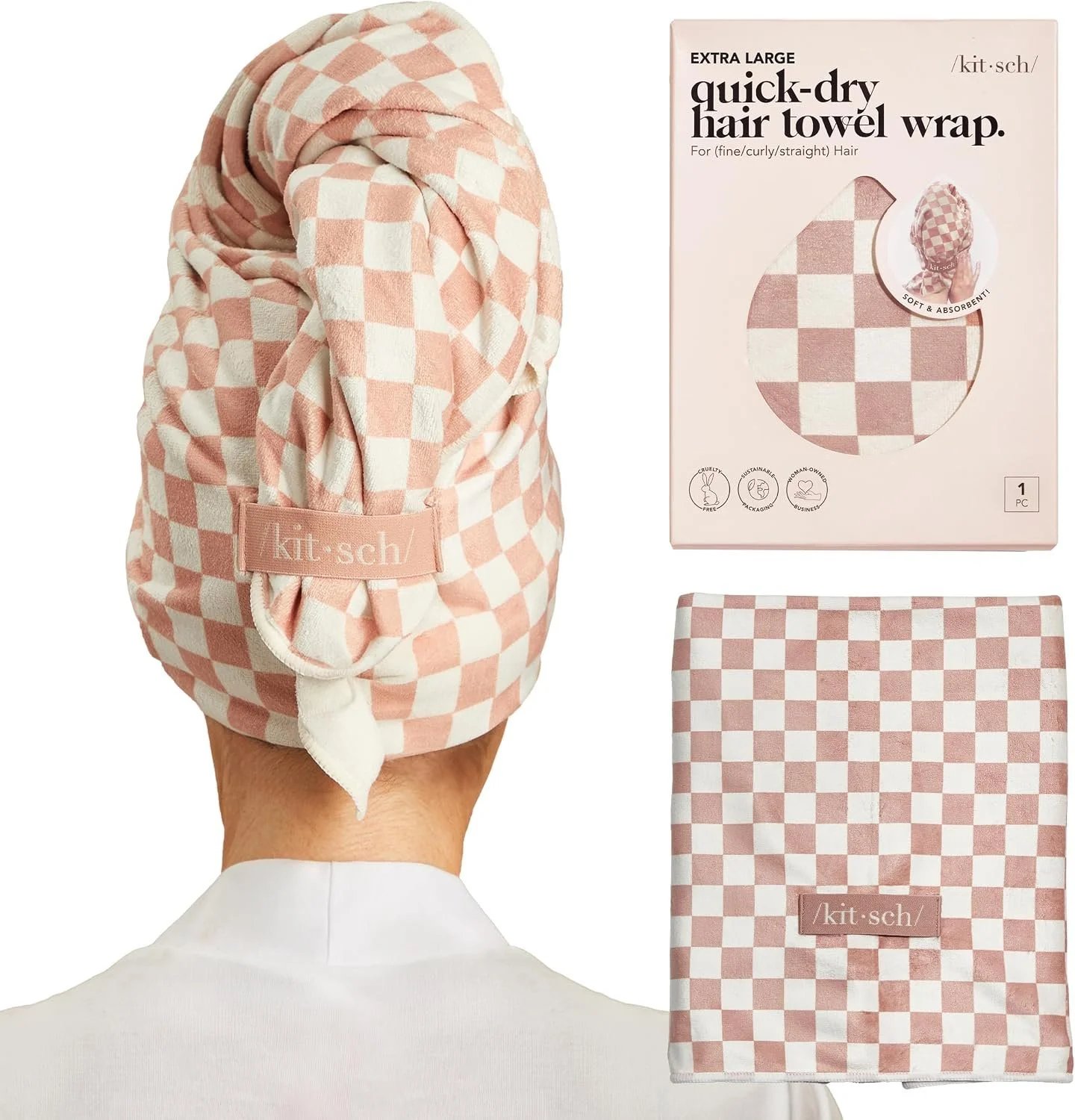
Prevent Breakage from Hats, Scarves and Winter Coats
Our winter wardrobe can be surprisingly hard on our hair.
Thick scarves, knitted hats and heavy coat collars can repeatedly rub against the same sections of hair. Over time, this friction may contribute to tangling, split ends and breakage, particularly if your hair is already fragile.
You can still enjoy your favourite winter accessories. Simply be a little more mindful about how you wear them.
Choose hats that fit comfortably without pulling at your hair.
Consider a smooth satin or silk lining in hats that frequently cause friction.
Avoid pulling tangled hair out from underneath a scarf.
Gently loosen your hair before removing a hat or coat.
Wear your hair in a loose braid when walking outdoors in windy weather.
Avoid tight ponytails or buns that place repeated tension on your hairline.
If you have long hair, a loose braid can be particularly useful on cold, windy days. It keeps your hair contained, reduces tangling and can look lovely with a chunky knit sweater and a long winter coat.
The important thing is to avoid hairstyles that pull tightly on the roots. Repeated tension can contribute to hair loss around the hairline.
Trim Your Ends Before Split Ends Travel Further
Sometimes the best thing you can do for dry winter hair is to have a small trim.
When the ends of your hair become split or frayed, they may tangle more easily and make your hair look thinner or less polished. Unfortunately, no oil, mask or serum can permanently mend a split end.
A trim removes the damaged section and can make your hair easier to manage.
How often you need a trim depends on your hair's condition, length goals and styling habits. If you are growing your hair, you do not necessarily need to follow a rigid six-week schedule. Instead, monitor your ends and arrange a trim when damage becomes noticeable.
Between appointments, reduce heat damage, handle your hair gently and condition the lengths regularly.
Healthy-looking hair is not simply about how long it is. Soft, well-cared-for ends can make a real difference to the overall appearance of your hair.
Support Healthy Hair with a Balanced Diet
Hair care does not stop in the bathroom. What you eat also matters because your body needs adequate energy, protein and nutrients to support normal hair growth.
You do not need to follow a complicated beauty diet or purchase a cupboard full of supplements. Begin with a balanced approach to everyday meals.
Nutrients that support normal hair growth
Protein: Hair is primarily made of a protein called keratin. Include sources such as eggs, fish, poultry, Greek yogurt, lentils, beans, tofu and other protein-rich foods.
Iron: Low iron levels can contribute to hair shedding in some people. Foods such as lentils, beans, meat, spinach and fortified cereals can contribute to your intake.
Zinc: This mineral plays a role in normal growth and tissue repair. Sources include meat, shellfish, dairy products, legumes, nuts and seeds.
Healthy fats: Nuts, seeds, olive oil and oily fish can be part of a balanced diet that supports overall health.
A variety of vitamins and minerals: Eating a range of fruits, vegetables, whole grains and protein sources helps provide the nutrients your body needs.
Simple winter foods to add to your routine
Eggs on whole-grain toast for breakfast.
Greek yogurt with berries, walnuts and seeds.
Lentil soup with vegetables and crusty homemade bread.
Salmon with roasted root vegetables.
Chickpea and spinach curry served with rice.
A handful of nuts alongside fruit for a snack.
These foods are not overnight remedies for dry hair. Hair growth is a gradual process, and correcting a nutritional deficiency may take time to affect hair growth or shedding.
Avoid taking high-dose hair supplements without a good reason. Supplements are most useful when they address a genuine need, and excessive amounts of certain nutrients can actually contribute to hair loss.
If you notice sudden or persistent shedding, unexplained thinning or bald patches, speak with a healthcare professional to investigate possible causes rather than relying on beauty products alone.
Create a Winter Hair Care Routine You Can Actually Maintain
The most effective routine is one you can follow consistently. You do not need a dozen products or an hour-long ritual every evening.
Here is a simple framework to help you care for your hair throughout winter.
On wash day
Cleanse your scalp with a suitable shampoo.
Condition the lengths and ends.
Apply a deep-conditioning mask when needed.
Detangle gently.
Use a heat protectant if blow-drying or styling with heat.
Between washes
Use a small amount of leave-in conditioner or serum if your hair feels dry.
Avoid excessive brushing and unnecessary heat styling.
Protect your hair from friction caused by scarves, hats and coat collars.
Wear loose protective styles when your hair is likely to tangle.
Once a week
Consider a pre-wash oil treatment if it suits your hair.
Use a deep-conditioning mask if your hair needs extra softness.
Check your ends for tangling, splitting or signs of damage.
Wash your brush and remove accumulated hair and product residue.
Throughout the month
Review whether your products are helping or weighing your hair down.
Arrange a trim if your ends need attention.
Eat balanced meals and maintain a healthy, varied diet.
Pay attention to persistent scalp irritation or unusual shedding.
You can adapt this routine to your hair type. Fine hair may need lighter products and more frequent washing, while thick, curly or coily hair may benefit from richer conditioning and less frequent cleansing. Your scalp, hair texture and lifestyle should guide your choices.
Winter Hair Care Mistakes to Avoid
Sometimes improving your hair condition is less about adding something new and more about avoiding habits that make existing problems worse.
Here are a few common mistakes to watch for:
Washing with very hot water. Warm water is generally sufficient for cleansing and is less likely to leave your scalp feeling uncomfortable.
Using too much oil. More oil does not automatically mean more nourishment. Excessive amounts can leave hair heavy, greasy or difficult to wash.
Applying conditioner only occasionally. Hair that tangles easily may benefit from regular conditioning to reduce friction during detangling.
Using high heat every day. Frequent heat styling can worsen damage, particularly on already fragile hair.
Pulling through knots. Forcing a brush through tangles can lead to breakage. Detangle in small sections, starting at the ends.
Ignoring persistent hair loss. Seasonal changes may coincide with changes in shedding, but significant or ongoing hair loss should not automatically be attributed to winter weather.
Buying every trending hair product. A simple routine that suits your hair is often more useful than constantly switching products.