

Lymphatic drainage: What you should know (Benefits, myths, and natural support)
This blog post is all bout lymphatic drainage. I have been on a journey to help fix this issue for myself and i am going to share with you, what i have learned along the way.

Lymphatic drainage has become one of the biggest wellness trends of the past few years. You’ve probably seen videos of facial massage techniques, dry brushing routines, or before-and-after photos showing reduced puffiness and a more sculpted appearance.
As someone who loves natural wellness and simple daily habits, I was curious too. But I also wanted to understand what lymphatic drainage actually is, what it can realistically do, and what the science says—without the exaggerated detox claims that are all over social media.
If you’ve been wondering whether lymphatic drainage is worth trying, this guide will walk you through everything you need to know in a practical, easy-to-understand way.
My Story
I have been having issues with my lymphatic drainage system for about 6 years. I have had three children, all delivered by cesarian section for health reasons. No one told me about the issues that can come up years after!
I remember back then, i felt puffy, and heavy most of the time. My legs would often swell at the end of the day and my fingers would get so swollen. I didn’t know it, but i had a backed up lymphatic system, meaning my lymph nodes where not draining and moving on their own. I just knew that i didn’t want to feel so heavy anymore. That sent me down a rabbit hole!
What Is the Lymphatic System?
Your lymphatic system is a network of vessels, lymph nodes, and organs that helps keep your body in balance. You can think of it as your body’s drainage and immune support system.
Its main jobs are:
removing excess fluid from tissues
transporting immune cells throughout the body
filtering out cellular waste and debris
helping absorb certain fats from the digestive tract
Unlike your circulatory system, which has the heart to pump blood around the body, the lymphatic system does not have a central pump. Instead, lymph fluid moves through the body with the help of:
muscle contractions
walking and other movement
deep breathing
changes in body position
normal daily activity
This is one reason why people often feel more swollen after sitting for long periods, traveling, or being less active than usual.
What Is Lymphatic Drainage?
Lymphatic drainage is a gentle massage technique that is intended to encourage the movement of lymph fluid through the lymphatic vessels and toward the lymph nodes.
A professional lymphatic drainage massage is very different from a deep tissue massage. The pressure is light, slow, and rhythmic. The goal is not to work deeply into the muscles but to gently stimulate the lymphatic vessels that sit close to the surface of the skin.
Since my lymph nodes are backed up and i know the reason why, i focus on self massage around my scar area.
Professional lymphatic drainage may be used:
after certain surgeries
for people with lymphedema (swelling caused by lymphatic blockage)
in some cases of chronic swelling, under medical supervision
For many healthy people, it is used as a wellness treatment to help with temporary puffiness and relaxation.
Signs People Often Associate With Sluggish Lymph
You may hear the term “sluggish lymph” used online. While it is not a formal medical diagnosis, people often use it to describe symptoms such as:
facial puffiness
swollen fingers
ankle swelling after sitting or standing
a feeling of heaviness in the legs
temporary bloating
stiffness after inactivity
These symptoms can have many different causes, including:
high sodium intake
dehydration
hormonal changes
certain medications
hot weather
pregnancy
underlying medical conditions
The important thing is that persistent or unexplained swelling should always be evaluated by a healthcare professional.
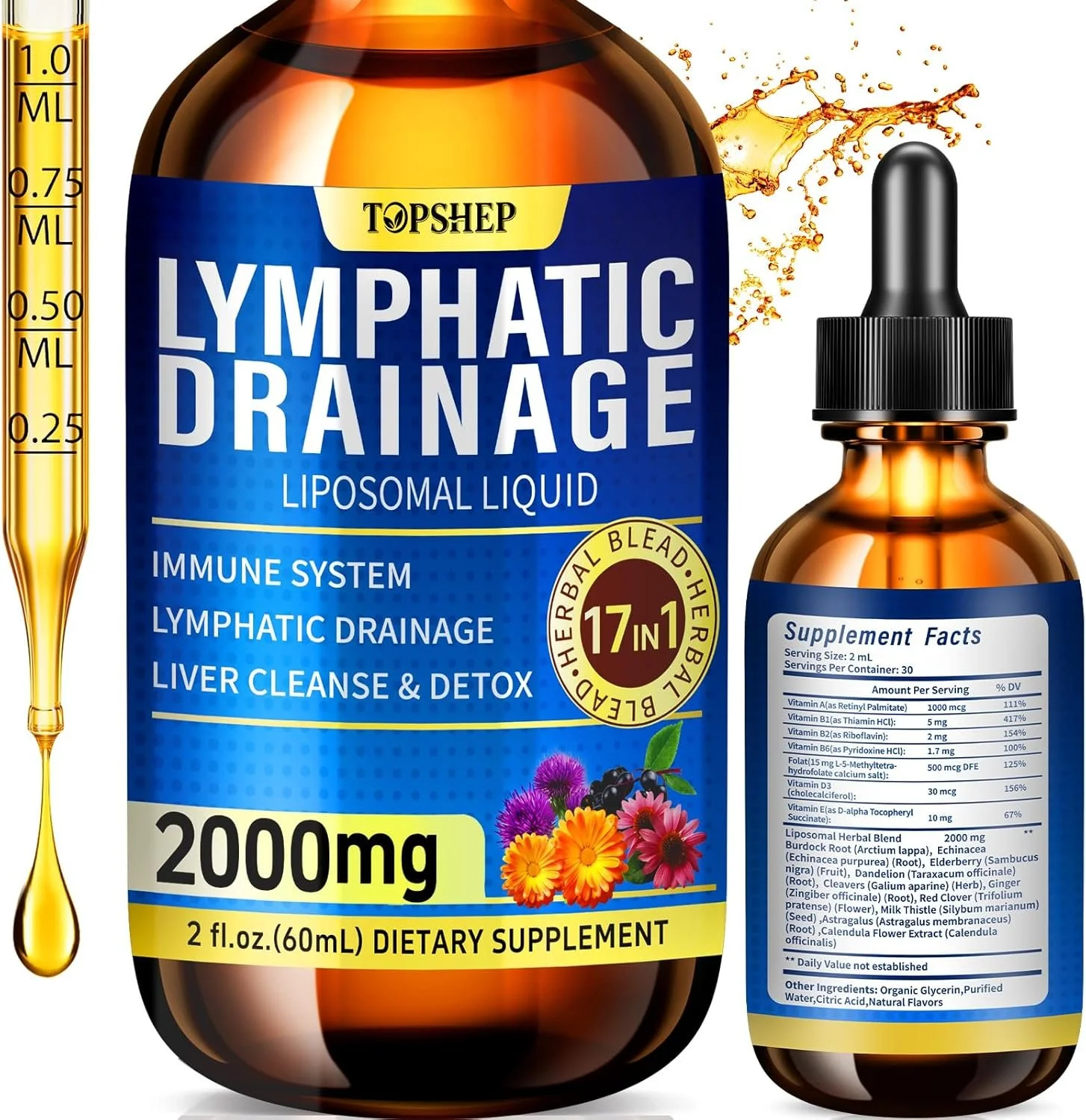
I just ordered these!
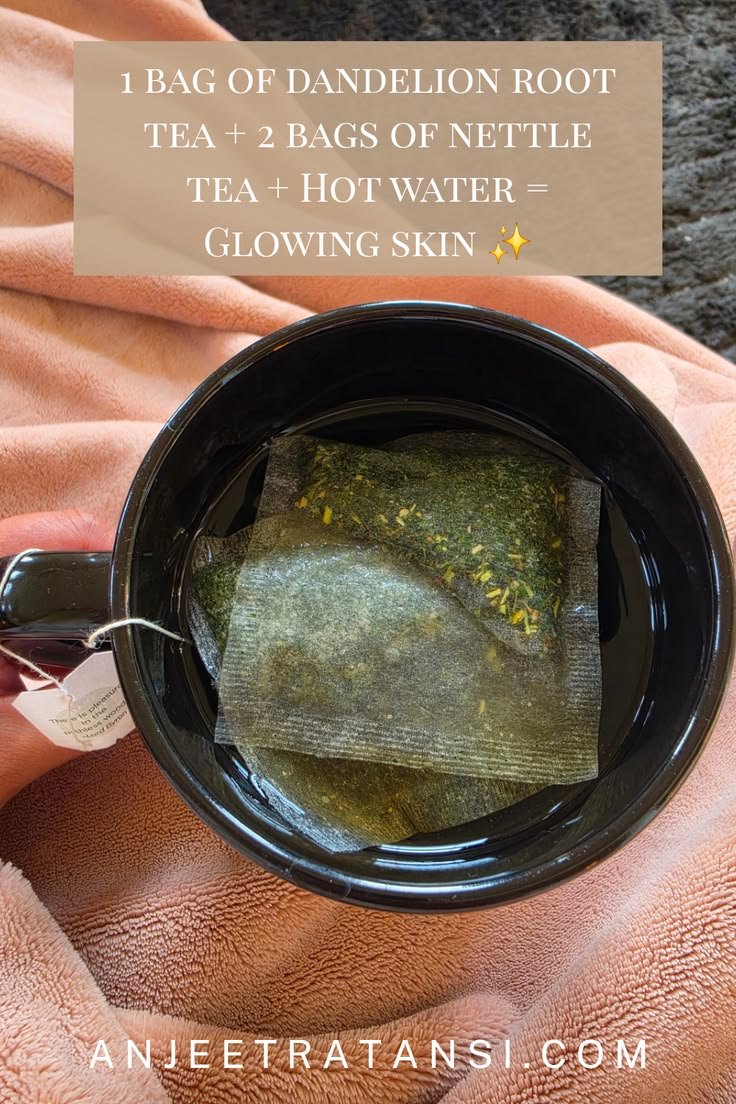
What Lymphatic Drainage Can Realistically Help With
Possible benefits
Many people report:
reduced facial puffiness
less swelling after travel
a feeling of lightness in the body
temporary reduction in fluid retention
relaxation and stress relief
increased awareness of posture and breathing
These effects are generally related to fluid movement and relaxation, not fat loss.
What it cannot do
Lymphatic drainage cannot:
melt body fat
permanently sculpt your face
cure chronic illnesses
replace medical treatment for lymphedema
dramatically boost metabolism
remove toxins in the way detox products claim
A Simple At-Home Facial Lymphatic Drainage Routine
This is one of the most useful and low-risk ways to try lymphatic drainage at home.
Step 1: Start with clean skin
Apply a few drops of facial oil or a gentle moisturizer so your hands can glide easily.
Step 2: Open the neck area
Using very light pressure, stroke downward along the sides of your neck 5–10 times.
Step 3: Massage the jawline
Sweep from the center of the chin outward toward the ears.
Step 4: Massage the cheeks
Move from the sides of the nose outward across the cheeks.
Step 5: Under the eyes
Using your ring fingers, gently sweep from the inner corners outward toward the temples.
Step 6: Finish at the collarbones
Lightly massage just above the collarbones for a few seconds.
The entire routine takes about two minutes and is especially nice in the morning if you tend to wake up puffy.
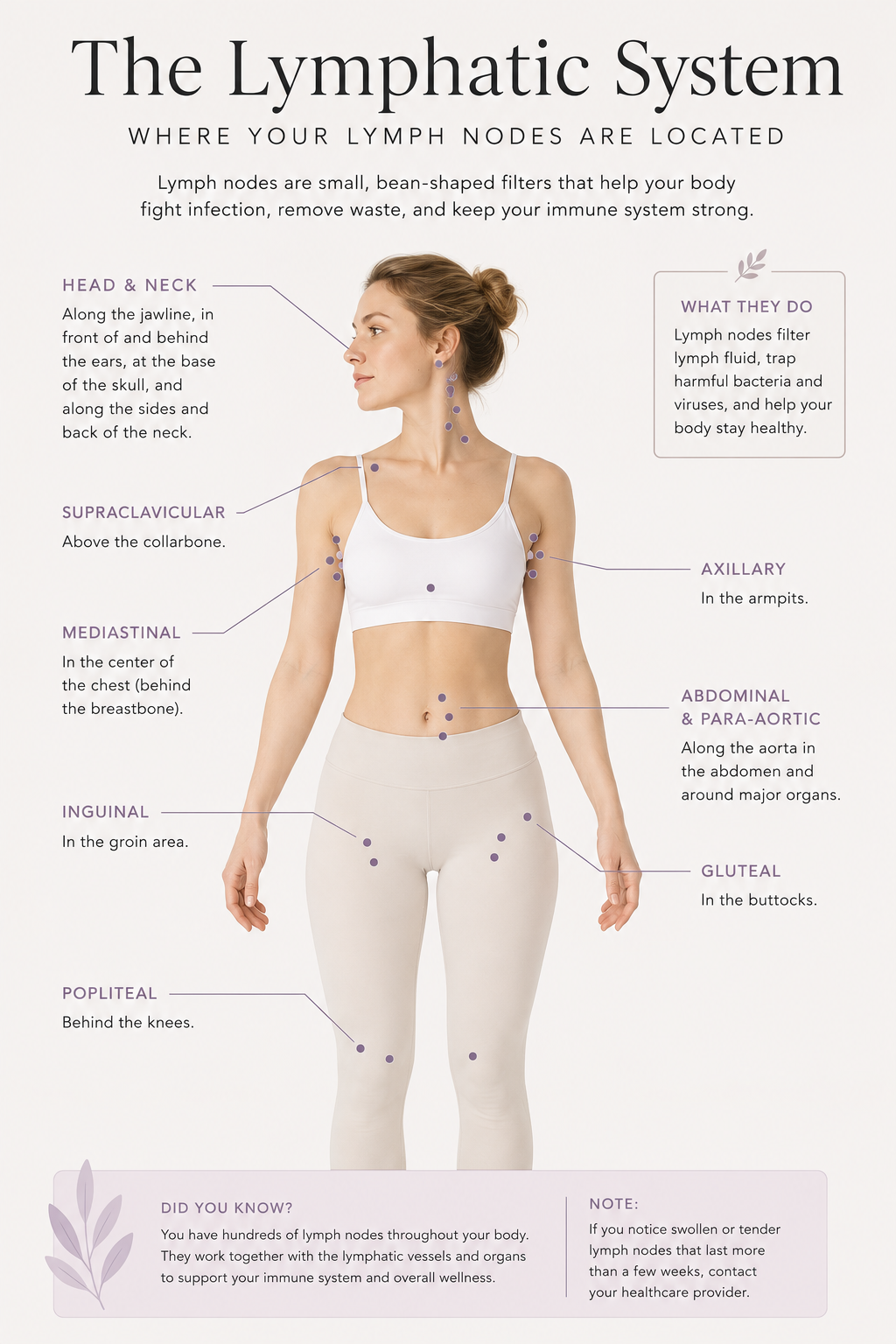
The Best Natural Ways to Support Lymph Flow
Here’s the part that matters most: your daily habits have a much bigger impact than any fancy tool or occasional massage.
1. Walk Daily
Walking is one of the best things you can do for lymphatic circulation because the muscles in your legs act like pumps.
Aim for 20–30 minutes a day.
2. Stay Hydrated
Lymph fluid is mostly water. Dehydration can contribute to feelings of puffiness and sluggishness.
A simple habit is to drink a glass of water when you wake up and continue sipping throughout the day.
3. Practice Deep Breathing
Deep diaphragmatic breathing helps move lymph through the chest.
Try this for one minute:
inhale through your nose for 4 seconds
let your belly expand
exhale slowly for 6–8 seconds
4. Avoid Long Periods of Sitting
If you work at a desk, stand up every 30–60 minutes and walk around for a minute or two.
5. Get Enough Sleep
Poor sleep is one of the biggest causes of morning puffiness. Aim for 7–9 hours of quality sleep whenever possible.
What About Dry Brushing?
Dry brushing is often marketed as a way to stimulate lymphatic drainage.
The evidence is limited, but many people enjoy it because it can:
exfoliate the skin
temporarily increase circulation to the skin’s surface
feel energizing
If you try it:
use a soft natural-bristle brush
brush gently toward the heart
avoid broken or irritated skin
stop if it causes redness or discomfort
I think of dry brushing as a skincare ritual, not a proven detox method.
Foods That Support Healthy Fluid Balance
No food will “cleanse your lymphatic system,” but certain eating habits can help reduce temporary water retention.
Potassium-rich foods
cucumbers
leafy greens
avocados
bananas
sweet potatoes
Hydrating foods
watermelon
strawberries
celery
zucchini
oranges
Limit excessive sodium
You do not need to avoid salt completely, but very salty processed foods can contribute to temporary swelling in some people.
Don’t forget protein
Adequate protein helps maintain normal fluid balance in the body.
Common Myths About Lymphatic Drainage
Myth #1: It detoxes your body
Your liver and kidneys are your primary detox organs.
Myth #2: More pressure is better
The lymphatic vessels are close to the surface of the skin. Pressing too hard may actually be counterproductive.
Myth #3: It causes weight loss
You may lose a small amount of water weight temporarily, but this is not the same as losing body fat.
Myth #4: Everyone needs it
Many healthy people do not need formal lymphatic drainage treatments. Regular movement is often enough to support normal lymph flow.
Who Should Be Cautious?
Lymphatic drainage is not appropriate for everyone. Speak with your healthcare provider before trying it if you have:
congestive heart failure
kidney disease
active infection
blood clots
unexplained swelling
certain cancer-related conditions
If you have swelling that appears suddenly, affects only one limb, is painful, or is associated with shortness of breath, seek medical attention promptly.


My Honest Opinion
I’ll be honest: I think lymphatic drainage is one of those wellness practices that can be helpful when viewed realistically.
The biggest benefits are usually:
reduced puffiness
relaxation
a feeling of lightness
taking a few minutes to slow down and care for yourself
What I don’t love is the fear-based marketing that suggests your body is full of toxins that need to be manually drained every day. That simply isn’t how the body works.
If you’re dealing with puffiness or fluid retention, I would focus on these five habits first:
Walk every day
Drink enough water
Sleep well
Reduce excessive sodium from processed foods
Practice deep breathing
Those habits are free, sustainable, and supported by far more evidence than most detox products.
Disclaimer: The information on this site is for educational purposes only and is not intended as medical advice. Please consult a qualified healthcare professional before making changes to your health routine.
FAQ
Does lymphatic drainage help with weight loss?
Not directly. It may temporarily reduce water retention, but it does not burn body fat.
Can I do lymphatic drainage every day?
A gentle facial routine can usually be done daily if it feels comfortable. Professional treatments are typically done less often. I do a self massage everyday with oils.
Why do I feel like I need to pee afterward?
Fluid shifts and increased relaxation may make you feel the need to urinate more, but this is not proof that toxins are leaving your body.
Is dry brushing necessary?
No. It is completely optional. I will add that it has worked for me.
How long do the effects last?
For temporary puffiness, the effects may last a few hours to a day, depending on hydration, sleep, sodium intake, and other lifestyle factors.
Things that worked for me:
Exercising everyday - I walk everyday and do the movements in the video below a few times a week
Dry brushing - it works for me
Self lymphatic drainage massage - You tube has so many videos
Eating as fresh as i can - avoiding things like fast food and too much sugar

Lorem ipsum dolor sit amet, consectetur adipiscing elit. Vestibulum id ligula porta felis euismod semper.